
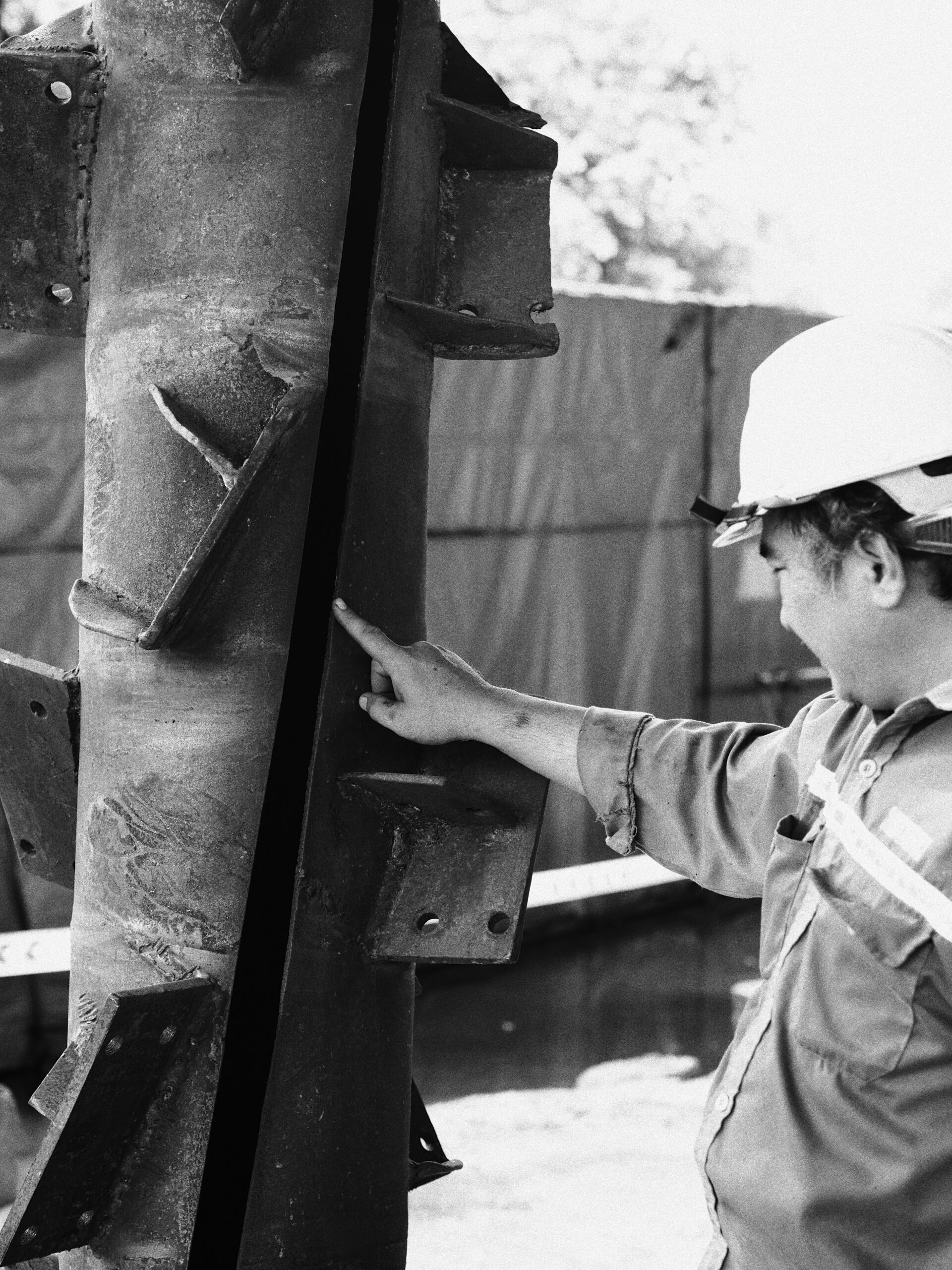
Reclamation Art emerges at the volatile intersection of ecological intervention, labor history, and contemporary spatial practice. Transcending conventional sculpture, this medium adopts the raw remnants of post-industrial residue, decommissioned machinery, degraded topographies, and toxic heavy metals as primary material substrates. Artists within this realm do not merely conceal or aestheticize destruction; rather, they perform an act of physical and historical vindication.
By repurposing retired apparatuses and contaminated hydric landscapes into generative public monuments, Reclamation Art interrogates the relentless velocity of human consumption. The scarred metal forms and serpentine bio-filters function as living archives of human effort, shifting decommissioned infrastructure from forgotten utility into active civic iconography. Ultimately, this practice reframes the boundary between human industry and ecological stewardship, offering a rigorous curatorial lens through which industrial exhaustion is transmuted into sites of environmental ethics, collective memory, and aesthetic renewal.
Theoretical Framework: Grounded in Viet Ngo’s pioneering practical trajectory (from his 1970s–1980s Minnesota studio practice to global municipal infrastructure) alongside critical environmental art discourse (e.g., Linda Weintraub, Sue Spaid, Allan Comp).
Application:
- Vindication of Waste: Transmuting decommissioned industrial debris (sorting drums, heavy chain conveyors, structural iron framing) and toxic effluents into dynamic public monuments.
- Aestheticizing Utility: Elevating functional, traditionally hidden municipal infrastructure into high-profile civic art installations and kinetic sculptures (giANTs⬛)